
The Band That Changed Music

When people think about the greatest bands of all time, one name almost always comes to mind first: The Beatles. Four lads from Liverpool with guitars, a bass and a drum kit would go on to redefine popular music, influence generations of musicians, and write some of the most recognisable songs ever recorded.
What makes their story so remarkable isn't just the fame or the record sales—it's how they got there. They didn't begin with elaborate productions or world-class studios. They started as a simple four-piece band, learning songs together, performing night after night, developing their craft, and slowly discovering their own musical identity.
It's a story that reminds us of something we believe strongly at The Music Hub's Band Lab: great musicians aren't simply born—they're developed through playing together. Whether you're taking your first steps into playing in a band or looking to grow as a confident performer, there is no substitute for making music with others.
Every Great Band Starts Somewhere
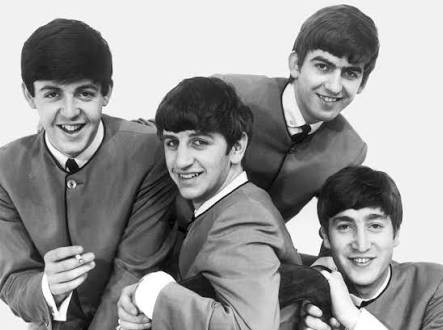
The Beatles' story began in Liverpool in the late 1950s when John Lennon formed a skiffle group called The Quarrymen. Soon, Paul McCartney joined, followed by George Harrison, and after several changes in personnel, Ringo Starr completed the iconic lineup in 1962.
There was nothing unusual about their setup. Two guitars, bass, drums and four voices. It's the same foundation that countless bands still use today.
What separated The Beatles wasn't expensive equipment or years of formal musical education. It was their willingness to learn, rehearse and perform together.
Before they became household names, they spent countless hours in rehearsal rooms, clubs and dance halls, learning hundreds of songs and developing the ability to play as a single musical unit. They built the foundations that every successful band relies on: good communication, consistency, and a shared passion for making music.
Honing Their Craft on Stage
One of the most important chapters in The Beatles' development came in Hamburg, Germany.
Long before stadium tours and television appearances, they were performing marathon sets in small clubs, sometimes playing for eight hours a night. Those performances forced them to expand their repertoire, improve their endurance, and, perhaps most importantly, learn how to listen to one another.

Every performance made them tighter.
Every mistake became a lesson.
Every new song made them more versatile musicians.
There's only so much you can learn practising alone. Real musical growth happens when you play alongside other musicians—learning to keep time together, respond to dynamics, recover from mistakes and support one another as a band.
These are skills that simply can't be developed to the same level through solo practice alone. They're learned through experience.
The Power of Playing Together
While each Beatle became an exceptional musician in their own right, their greatest strength was what happened when the four of them played together.
John Lennon's rhythm guitar perfectly complemented George Harrison's melodic lead playing. Paul McCartney's inventive bass lines became just as memorable as the vocal melodies, while Ringo Starr developed a drumming style that served each song with creativity, feel and remarkable consistency.
Together, they created something far greater than the sum of their individual talents.

Playing in a band teaches musicians that success isn't about being the loudest or the fastest player. It's about listening, supporting others, understanding your role, and creating something that couldn't exist without every member contributing.
Those lessons apply to musicians of every age, whether you're just starting lessons or have been playing for years.
Great Songs Come from Great Collaboration
As their confidence grew, so did their songwriting.
Early hits such as Please Please Me and I Want to Hold Your Hand were brilliantly crafted pop songs, but The Beatles never stopped learning. Each album pushed them further, experimenting with new sounds, recording techniques and increasingly ambitious songwriting.
Albums such as Rubber Soul, Revolver and Sgt. Pepper's Lonely Hearts Club Band showcased a band that continually challenged itself. To listen to some essential Beatles songs, click here to find a playlist on spotify.

The remarkable thing is that all of this creative growth came from four musicians who had spent years simply playing together.
They learned how songs were structured.
They learned how arrangements could transform a performance.
They learned when to step forward—and when to leave space for another musician.
Most importantly, they learned to create together.
Why Band Lessons Are So Valuable
One of the biggest misconceptions in music education is that becoming a better musician happens entirely through individual practice.
Practice at home is essential, but it isn't the whole picture.
Whether you're learning guitar, drums, bass, piano or vocals, band lessons provide opportunities that individual tuition simply can't replicate.
Playing with others helps musicians develop:
Strong listening skills.
Reliable timing and rhythm.
Musical communication.
Song structure and arrangement awareness.
Confidence performing with others.
Adaptability when things don't go to plan.
Teamwork and mutual encouragement.
These are the skills that transformed four enthusiastic teenagers from Liverpool into one of the most influential bands the world has ever known.
Bringing That Experience to Band Lab
At The Music Hub, these ideas are at the heart of Band Lab, our weekly music school band programme.
Students are placed into bands with musicians of a similar age and ability, creating an encouraging environment where everyone has the opportunity to contribute.
Each week, bands rehearse popular songs, develop ensemble skills and experience what it's really like to perform as part of a group.
Our sessions don't just focus on playing the right notes. Students learn how to listen to one another, lock in with the rhythm section, communicate musically and perform with confidence—skills that every successful band develops over time.
Just as The Beatles grew through countless rehearsals and live performances, Band Lab encourages students to learn through doing. Every rehearsal builds confidence, musical awareness and the experience of creating something together.
Of course, nobody expects the next Beatles to walk through the door.
But every great band starts somewhere.
Sometimes it starts in a Liverpool church hall.
Sometimes it starts in a local music school.
If you've been taking music lessons and are ready for the next step, joining a band could be the experience that transforms your musicianship. At Band Lab, we're passionate about helping students discover the excitement, challenge and joy of making music together—because some of the greatest musical journeys begin with a handful of friends, a few instruments, and a shared love of playing.


Comments